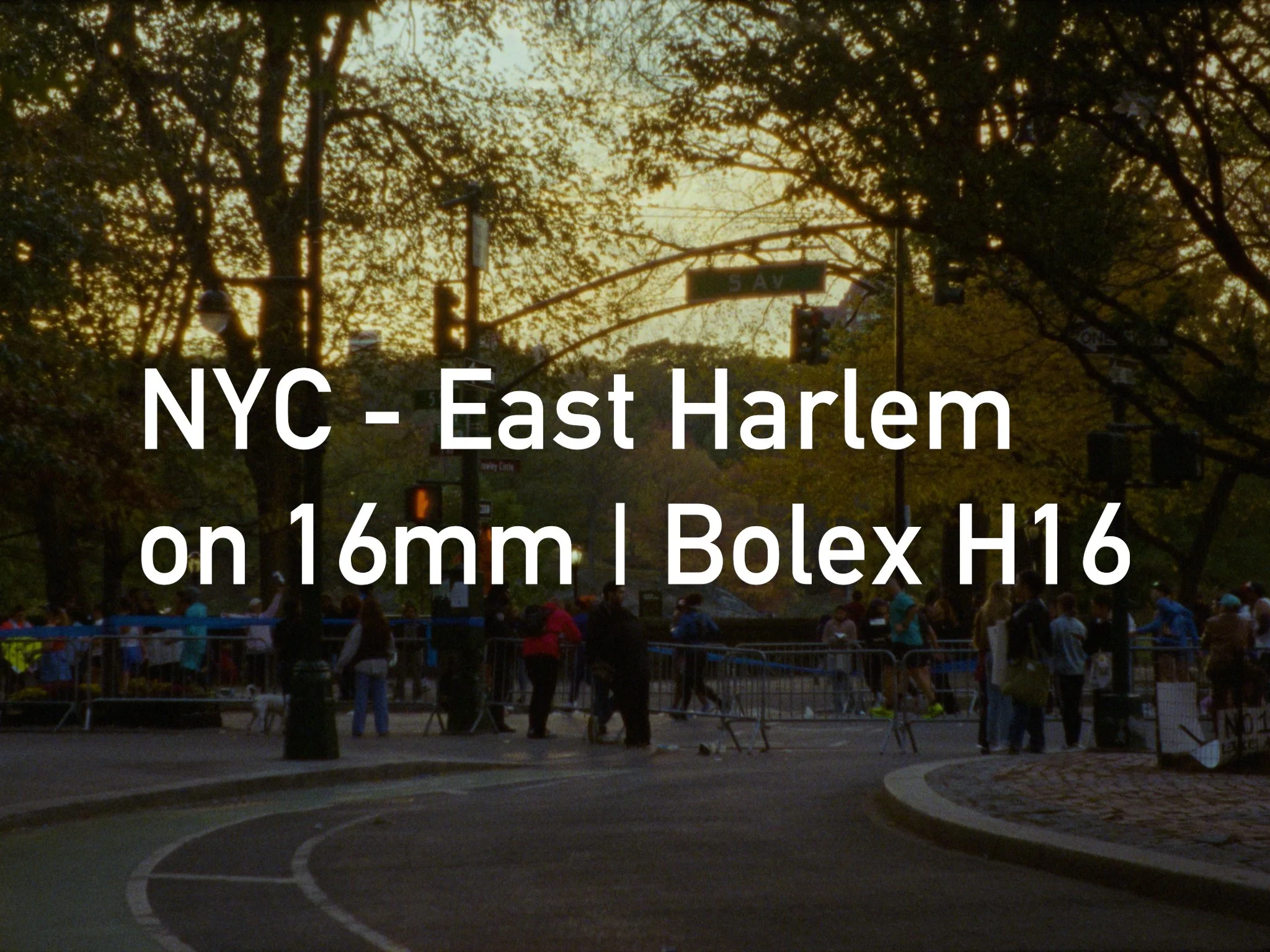
Filming on 16mm | Bolex H16
Filming on 16mm | Bolex H16
At the end of last year I purchased a used Bolex H16 REX 2 with a 25mm Kern-Paillard Switar lens. I worked with film extensively as a gaffer and grip, but I had never actually shot on it. It has always been a dream of mine to film on 16mm, so when the opportunity aligned, I took my chance and bought it. I can now proudly say I am a Bolex H16 owner!
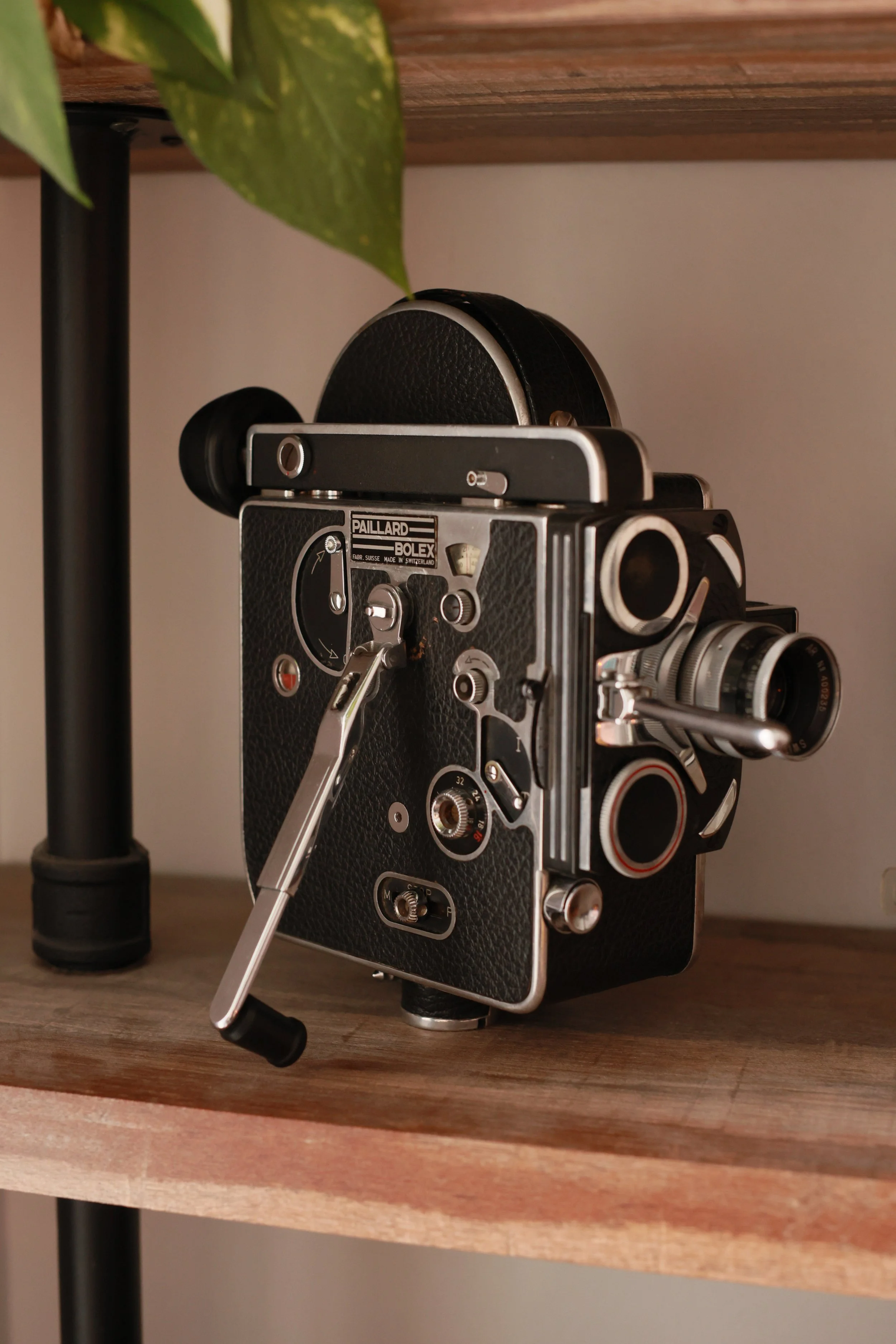
The Bolex H16
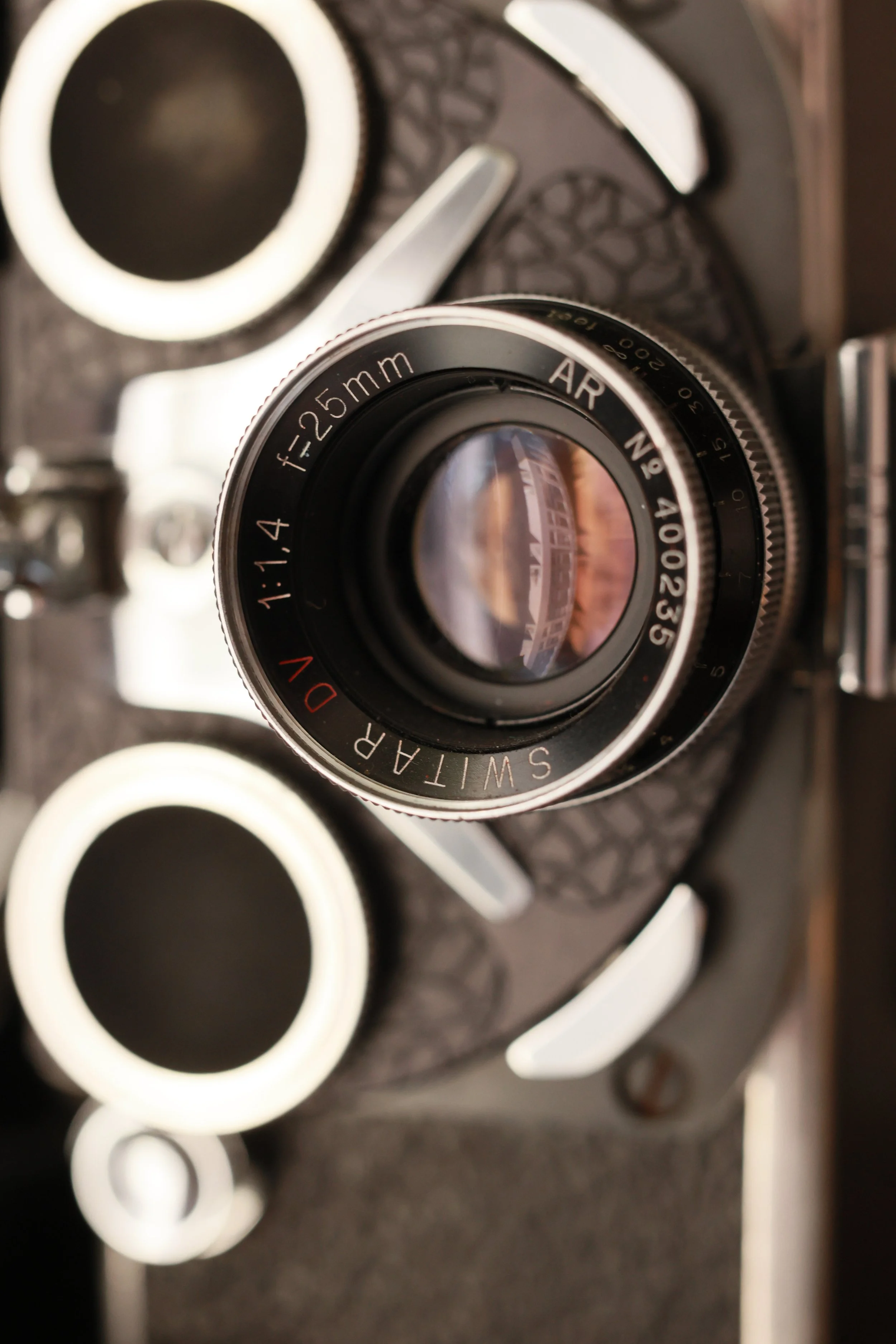
The 25mm Kern-Paillard Switar
Okay, let’s talk about it. I wanted to start with something simple: a test roll. Shooting outside in my neighborhood was the most practical choice. There is plenty of light (film loves light), and I didn’t want anything overly controlled for my first roll.
I purchased two 100-foot rolls of Kodak Vision3 250D 16mm film. I chose 250D because I was shooting in daylight and wanted flexibility. Based on my experience as a gaffer, I knew DPs often shoot 250D, 500T, and 50D depending on conditions, and 250D felt like a good balance for my first experiment.
My first obstacle was learning how to load the film. I have loaded 35mm and 120mm film photography cameras before, so I wasn’t intimidated, but I knew it would be different. I watched multiple YouTube tutorials over the course of a week (having kids slows everything down). Once loaded, I secured the camera door with tape as an extra precaution to ensure it remained light-tight.
The NYC Marathon runs right by my apartment building, and I thought it would be a unique perspective to film from my balcony. I quickly grabbed my Bolex, composed the shot, and metered the light. I filmed a fairly long take, knowing the beginning of the roll might have minor leaks from loading. I went downstairs and captured a few more shots before it became too dark. The marathon continued long after the 250D roll was usable, so I packed up and saved the remainder for another day.
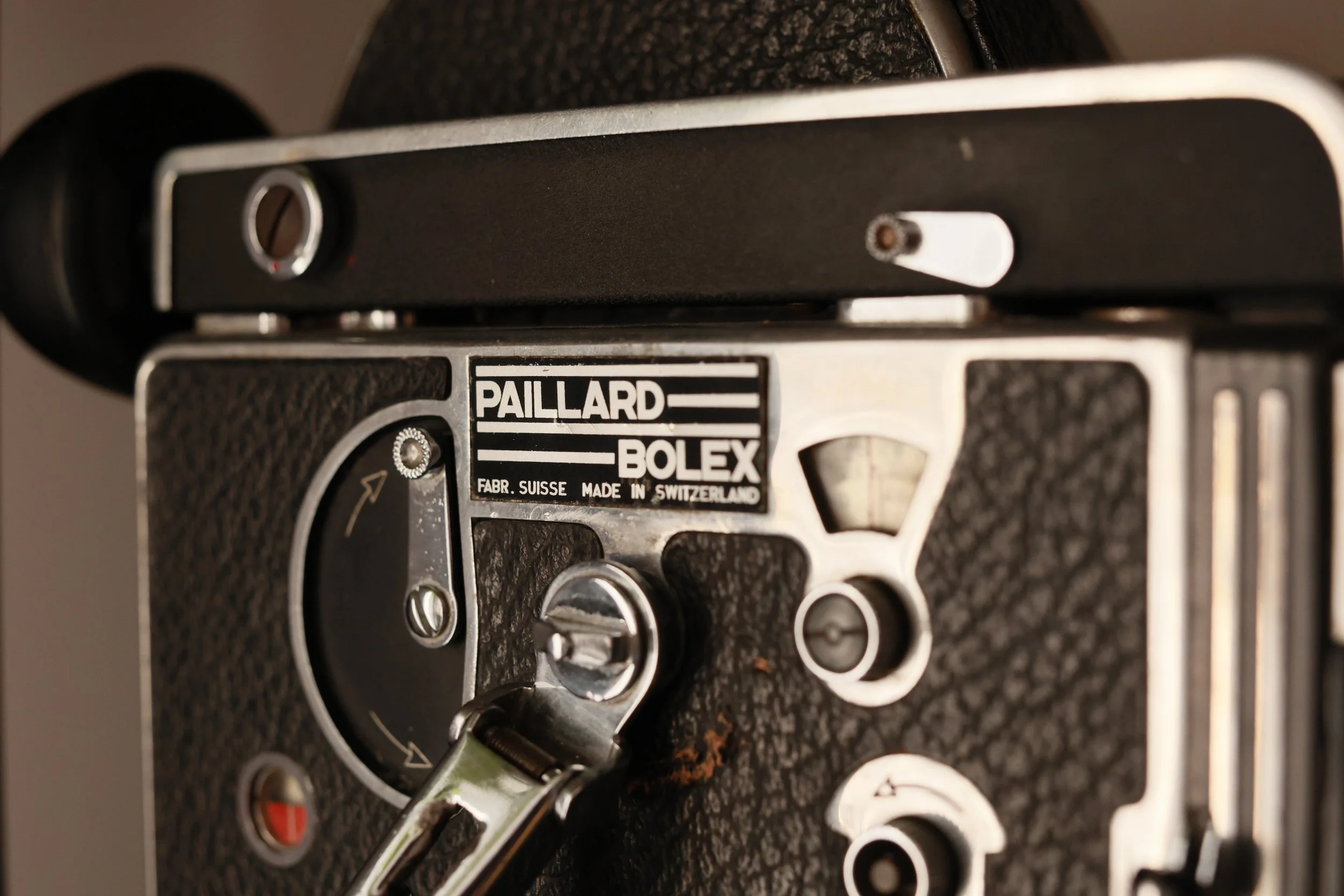
I finished the roll on two additional days in November during golden hour. I preferred golden hour because it offers warmer, more directional light and longer shadows compared to high-noon conditions. My three-year-old daughter even helped me shoot the final portion. We waited on the sidewalk for the train to pass, and she excitedly suggested filming the moon, her idea.
Overall, it was a fantastic experience. I had no idea what to expect when I sent the film out, which is part of the reason I love film! I sent it to Negativeland in Ridgewood, NY, and it came back in less than a week.
Technical Notes & Problems
From my research, I understood that shooting at a deeper f-stop improves focus forgiveness and reduces optical aberrations. The Bolex H16 REX 2 uses a reflex prism system, which slightly alters the optical path. RX lenses are corrected for that prism so focus remains accurate across the frame, particularly at wider apertures. Non-RX lenses can still be used successfully, but stopping down increases depth of field and minimizes potential focus shift or softness. Since my 25mm Switar is a non-RX lens, I kept that in mind and shot between f8 & above to ensure consistent sharpness.
I also had to omit two shots because the rotating lens turret handle crept into the frame and obstructed the image. My bad — lesson learned!